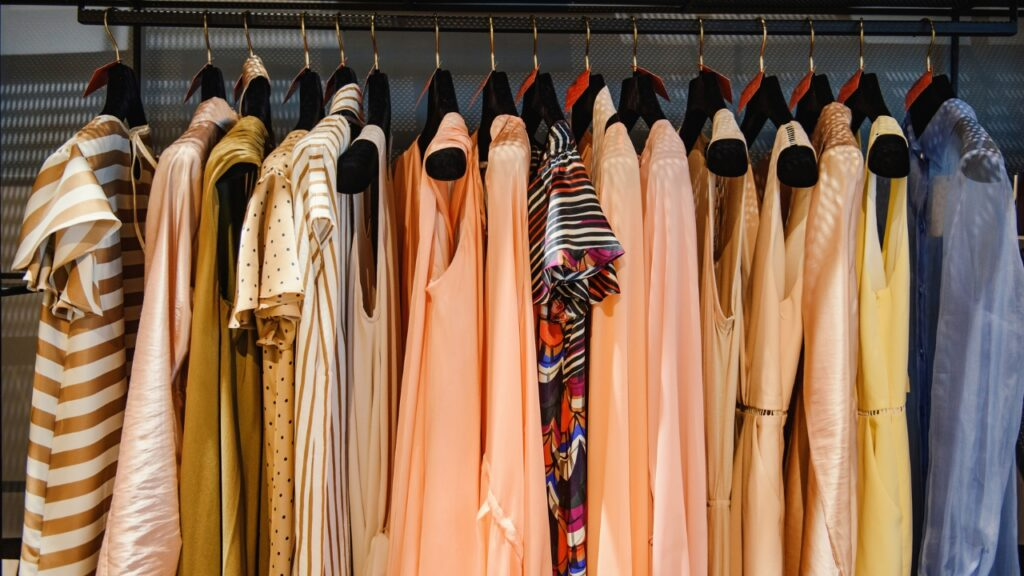

For decades, affordable fashion has transformed the way people shop for clothing. New collections arrive almost weekly, online retailers compete aggressively on price, and consumers have more choices than ever before. Yet a growing number of economists, sustainability experts, and fashion analysts argue that the lowest price does not always represent the best value. Instead, they point to the long-term financial impact of purchasing well-made garments that remain wearable for years rather than months.
The rise of fast fashion has reshaped consumer expectations around clothing costs. Lower production expenses and shorter manufacturing cycles allow brands to introduce thousands of new designs every year at prices that encourage frequent purchases. While this business model has made fashion more accessible, it has also contributed to shorter product lifespans as many garments are produced with cost efficiency rather than durability in mind. Replacing inexpensive clothing several times a year can quietly increase overall spending despite the relatively low price of each purchase.
Quality clothing follows a different approach, placing greater emphasis on craftsmanship, materials, and construction. Garments produced with stronger stitching, carefully selected fabrics, and higher manufacturing standards are generally designed to withstand repeated wear and washing without losing their original shape. Although these pieces often require a larger upfront investment, they frequently remain part of a wardrobe for many years. Their longevity changes how consumers evaluate the true cost of what they buy.
One of the most widely discussed concepts among fashion economists is “cost per wear.” Rather than focusing solely on the purchase price, the calculation considers how many times a garment is actually worn throughout its lifespan. A jacket that costs more initially but lasts for several hundred wears may ultimately prove less expensive than multiple lower-priced alternatives that need frequent replacement. The same principle applies to footwear, outerwear, handbags, and other wardrobe essentials intended for regular use.
Fabric quality is another factor that strongly influences a garment’s lifespan. Premium cotton, wool, linen, and carefully engineered performance textiles generally retain their appearance longer than lower-grade materials when cared for properly. They are often less prone to excessive stretching, pilling, or fading after repeated washing. While no fabric lasts forever, higher-quality materials typically provide greater durability under everyday conditions.
Construction methods are equally important, although they often receive less attention from shoppers. Reinforced seams, durable zippers, properly finished hems, and carefully attached buttons all contribute to extending the usable life of clothing. These details may not be immediately visible on a store rack, but they become increasingly noticeable after months or years of regular wear. Well-constructed garments are generally better equipped to withstand everyday movement without premature damage.
The conversation surrounding quality clothing has also expanded beyond personal finances. The fashion industry remains one of the world’s largest producers of textile waste, with millions of garments discarded every year after relatively short periods of use. Extending the lifespan of clothing reduces demand for replacement purchases, helping decrease the environmental impact associated with manufacturing, transportation, and waste disposal. As sustainability becomes a greater priority, durability has become an important selling point for many established fashion brands.
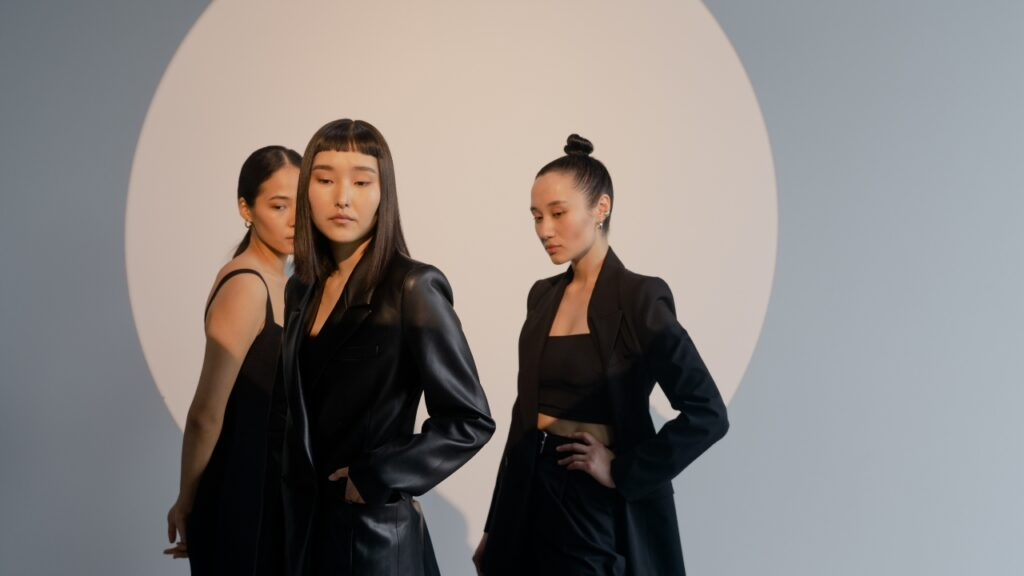
Changing workplace habits have also influenced purchasing decisions. Hybrid work arrangements and more flexible dress codes have encouraged consumers to invest in versatile clothing that performs well across multiple occasions rather than highly trend-driven pieces designed for a single season. Neutral colors, classic silhouettes, and durable fabrics allow garments to remain relevant despite changing fashion cycles. This shift reflects a broader preference for longevity over constant replacement.
Consumer priorities continue to evolve as inflation and economic uncertainty encourage more deliberate spending habits around the world. Rather than asking which garment costs the least today, many shoppers are increasingly considering which one will deliver the greatest value over the coming years. That change in perspective has become an important part of broader discussions surrounding responsible consumption, sustainable fashion, and long-term household budgeting.