
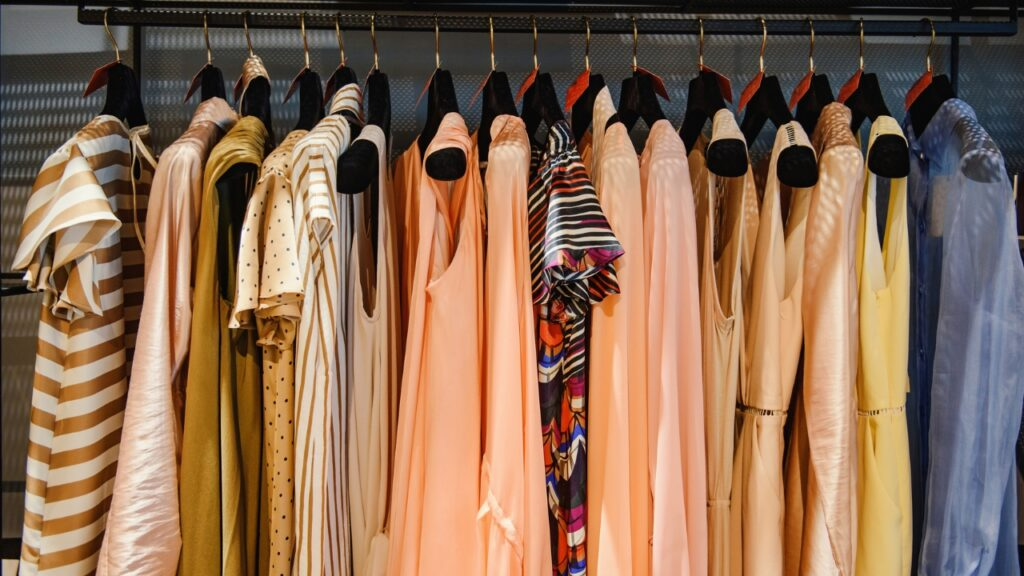
Before people hear a single word, they have already begun forming impressions based on appearance. Among the many visual cues that shape those judgments, color is one of the most immediate and influential. Researchers in psychology have found that the human brain processes color in milliseconds, often attaching emotional meaning before conscious thought takes over. In fashion, this makes color more than a design choice—it becomes part of how people communicate without speaking.
The influence of color extends far beyond personal style. Luxury brands carefully select signature color palettes to reinforce exclusivity, airlines use color to project reliability and comfort, while political leaders often choose specific suit and tie combinations for important public appearances. These decisions are rarely accidental, reflecting decades of research into how visual perception affects human behavior. Clothing operates within the same psychological framework, shaping expectations before conversations even begin.
Blue has become one of the world’s most trusted colors, particularly in professional settings. Financial institutions, technology companies, healthcare organizations, and multinational corporations frequently incorporate blue into their branding because it conveys stability, competence, and credibility. The same associations carry into fashion, where navy suits, pale blue shirts, and denim remain enduring wardrobe staples. Whether worn in a boardroom or on a casual weekend, blue tends to project calmness without sacrificing confidence.
Red produces an entirely different response because it naturally commands attention. Studies in color perception have associated red with energy, urgency, passion, and determination, qualities that explain its enduring popularity across both fashion and advertising. A red dress or blazer immediately becomes the visual focal point of an outfit, while smaller details such as a tie or handbag can create a similarly confident impression. Its ability to capture attention has made red a recurring feature in runway collections season after season.
Black has maintained its reputation as the defining color of sophistication for generations. Fashion houses continue to embrace black because it evokes elegance, authority, and refinement while offering unmatched versatility. From tailored business attire to evening wear, black provides a foundation that allows silhouettes, textures, and craftsmanship to take center stage. Its widespread use across luxury fashion reflects a cultural association that has remained remarkably consistent over time.
White communicates a contrasting message built around simplicity and clarity. Crisp white shirts have long symbolized professionalism, while minimalist fashion increasingly relies on white to create clean, understated aesthetics. Designers frequently pair white with neutral tones to emphasize balance rather than excess. At the same time, the meaning of white changes across cultures, reminding global audiences that color symbolism is rarely universal.
Green has gained renewed significance as sustainability becomes a defining conversation within the fashion industry. Consumers increasingly associate shades of green with environmental awareness, ethical production, and mindful consumption, prompting brands to incorporate the color into campaigns promoting responsible fashion. Beyond sustainability, green is also connected with balance and renewal, making it a popular choice for collections inspired by nature. The color’s growing visibility reflects broader changes in consumer values rather than short-term fashion trends.
Yellow occupies a unique place because of its ability to attract attention while expressing optimism and creativity. Designers often introduce yellow as an accent rather than a dominant color, allowing it to brighten an outfit without overwhelming the overall look. Softer variations, including butter yellow and muted mustard tones, have recently gained popularity for their versatility across seasons. Their appeal illustrates how subtle shifts in shade can significantly alter the emotional response a color creates.
Although many psychological responses to color appear consistently across different populations, cultural traditions continue to shape how colors are interpreted. Red represents celebration and prosperity in much of Asia, while white is traditionally associated with mourning in several Asian societies despite symbolizing weddings in many Western countries. These differences are increasingly relevant as fashion brands expand internationally and consumers draw inspiration from global trends. Understanding color therefore requires not only an appreciation of psychology but also an awareness of cultural context.