

The queue starts forming long before anyone asks what’s on the menu. Office workers stand beside tourists with cameras around their necks, while grandparents wait patiently next to university students who already know exactly what they are going to order. There are no chandeliers overhead or polished marble floors beneath their feet. Just a folding table, a smoking grill, and the unmistakable confidence of a cook who has spent decades perfecting a single dish.
Across Asia, some of the continent’s most unforgettable meals are served in places that barely resemble conventional restaurants. They operate from narrow alleyways, roadside carts, floating boats, family homes, and tiny storefronts where every available seat is occupied before sunset. Their reputation rarely comes from advertising campaigns or celebrity endorsements. Instead, it spreads through conversations, recommendations, and loyal customers who return again and again.
Ask experienced travelers about the meals they remember most, and luxury dining rarely dominates the conversation. They are more likely to recall the bowl of noodles served by a vendor who remembered every regular customer, or grilled seafood prepared just meters from the fishing boats that caught it that morning. Those moments create stories that outlast photographs because they connect food with people rather than presentation.
This culture is deeply woven into everyday life across much of Asia. In Vietnam, plastic stools spilling onto sidewalks are as familiar as the dishes themselves. In Japan, tiny ramen counters often accommodate fewer than a dozen guests, yet attract visitors from around the world. Across Indonesia, family-run food stalls continue serving recipes that have quietly survived generations, often changing little except the faces waiting in line.
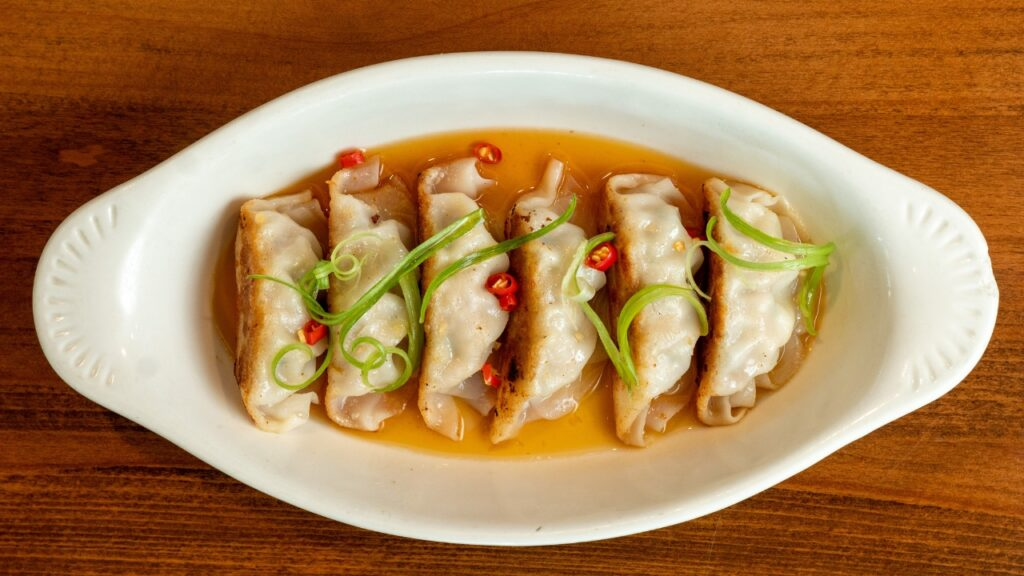
The appeal extends far beyond affordability. Smaller kitchens often specialize in only a handful of dishes, allowing cooks to focus on consistency instead of endless variety. A vendor who prepares the same satay, dumplings, or rice porridge every day develops an instinct that cannot easily be replicated inside larger commercial kitchens. The result is food shaped by repetition, experience, and an intimate understanding of local taste.
There is also something remarkably democratic about these places. Expensive watches, business suits, backpacks, and sandals matter very little once everyone joins the same queue. Conversations begin between strangers who are united by curiosity rather than social status, while recommendations pass effortlessly from one table to another. In many cases, the atmosphere becomes just as memorable as the meal itself.
Social media has transformed many of these modest businesses into international destinations almost overnight. A short video showing noodles being hand-pulled or dumplings folded at remarkable speed can reach millions of viewers across continents within hours. Yet despite newfound popularity, many vendors resist expanding into larger restaurants, believing that preserving quality matters more than increasing capacity. Success, for them, is measured by returning customers rather than square meters.
Governments and tourism organizations are beginning to recognize the cultural significance of these everyday food businesses. Street food districts, hawker centres, and traditional markets are increasingly promoted as essential parts of the travel experience because they reflect local history in ways that museums and monuments often cannot. Every recipe carries traces of migration, trade, family traditions, and regional identity that have accumulated over generations. Food becomes a living archive rather than simply a meal.
Perhaps that is what continues to draw people back. The most memorable dining experiences are not always found behind elegant façades or hidden inside exclusive reservations. Across Asia, they are just as likely to emerge from a narrow side street where smoke rises above a charcoal grill, familiar faces gather every evening, and extraordinary food is prepared with the quiet confidence that comes only from doing one thing exceptionally well.