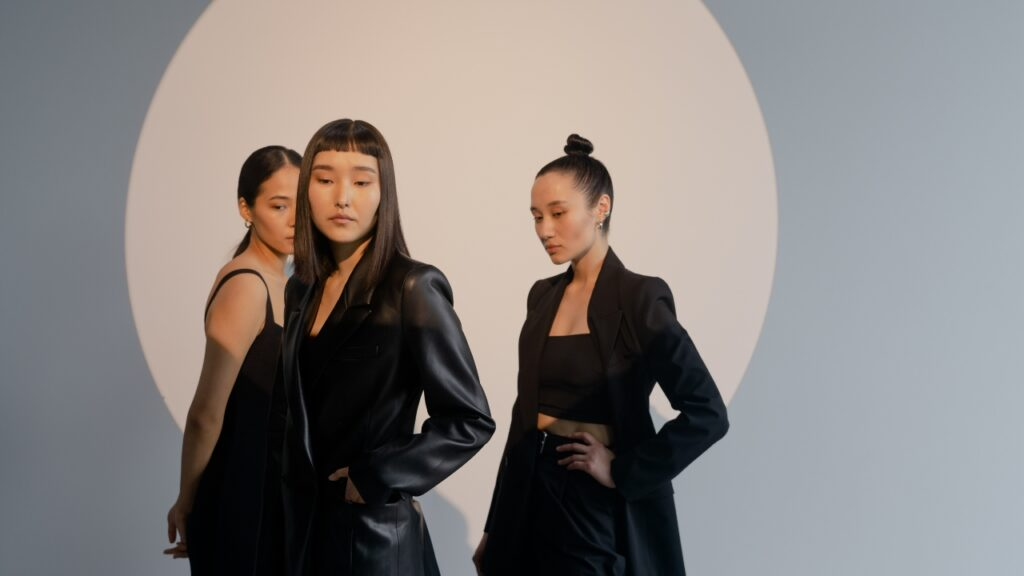

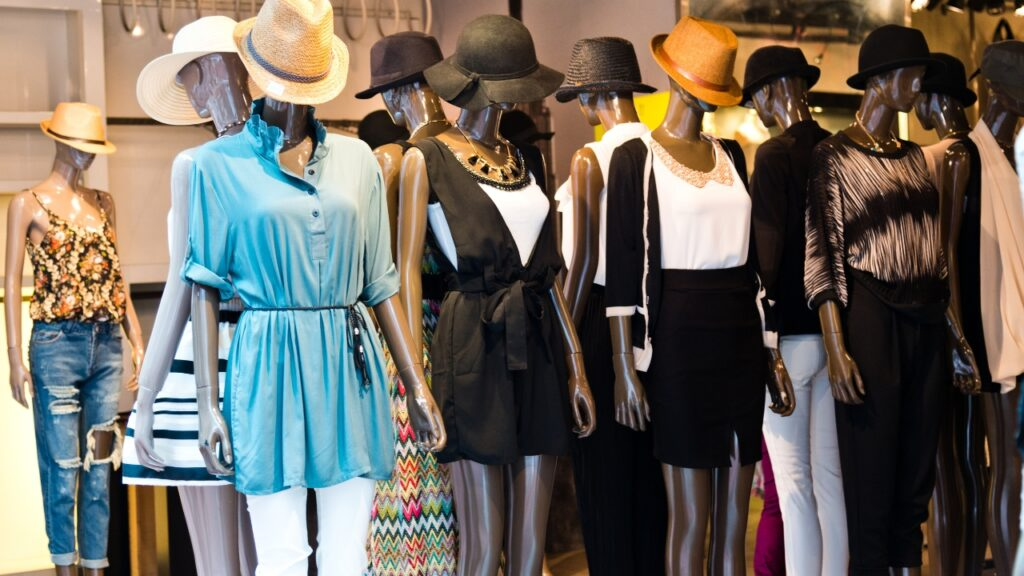
What people choose to wear each morning is often seen as a matter of personal preference, yet psychologists suggest the decision can have broader effects on behavior and performance throughout the day. Clothing influences not only how individuals are perceived by others but also how they perceive themselves. Researchers have increasingly examined the relationship between appearance, emotions, and cognitive performance, revealing that fashion can shape everyday experiences in subtle but measurable ways. The concept has attracted attention from both behavioral scientists and workplace experts.
One of the most widely discussed theories is known as “enclothed cognition,” a term introduced by researchers to describe how clothing can influence psychological processes. Their findings suggest that garments carry symbolic meaning, and wearing them may affect attention, confidence, and decision-making. A tailored suit, for example, may encourage a greater sense of professionalism, while athletic clothing can reinforce a mindset associated with movement and physical activity. The effect depends not only on the garment itself but also on the meaning the wearer attaches to it.
Confidence is among the qualities most frequently associated with clothing choices. Wearing outfits that fit well and align with personal identity can increase self-assurance in professional meetings, social gatherings, and public appearances. Fashion psychologists note that confidence often grows when people feel comfortable with their appearance rather than when they simply follow the latest trends. This explains why personal style frequently has a stronger impact than expensive designer labels.
Mood can also be influenced by clothing, particularly through color, texture, and comfort. Bright colors are commonly associated with energy and optimism, while softer tones may encourage a sense of calm. Comfortable fabrics and well-fitted garments reduce physical distractions, allowing people to focus more effectively on daily activities. These emotional responses vary between individuals but remain an important consideration in everyday dressing.
The workplace provides one of the clearest examples of how clothing affects behavior. Employees often adjust their wardrobe according to the expectations of meetings, presentations, or collaborative environments. Dressing appropriately for professional settings can reinforce feelings of preparedness and competence before a task even begins. At the same time, organizations with relaxed dress codes have encouraged workers to balance professionalism with comfort, particularly as hybrid work becomes more common.
Remote work has introduced new conversations about the relationship between clothing and productivity. During the expansion of home-based work, many employees initially replaced business attire with casual clothing throughout the day. Over time, some productivity experts observed that maintaining a deliberate morning routine, including changing into work-appropriate clothing, helped create a clearer separation between personal and professional responsibilities. The habit became less about appearance and more about establishing a productive mindset.
Social interactions are also shaped by clothing choices. People often adjust what they wear depending on the occasion, whether attending a job interview, meeting friends, or participating in formal events. Appropriate attire can help reduce anxiety by increasing the sense of belonging within a particular environment. These psychological benefits highlight fashion’s role as a form of social communication as much as personal expression.
The fashion industry has increasingly responded to these behavioral insights by prioritizing versatility and comfort alongside aesthetics. Many clothing brands now design collections that accommodate changing lifestyles, combining professional appearance with fabrics intended for extended daily wear. The popularity of elevated casualwear reflects shifting consumer priorities, particularly among people seeking wardrobes that support both confidence and practicality. This evolution has influenced everything from office fashion to travel clothing.
As daily routines continue to evolve, fashion remains closely connected to the ways people prepare for work, interact with others, and express their identity. Researchers continue to explore how clothing influences human behavior, while consumers increasingly recognize that wardrobe choices extend beyond style alone. The growing interest in fashion psychology reflects a broader understanding that what people wear can shape not only first impressions but also their own mindset throughout the day.