
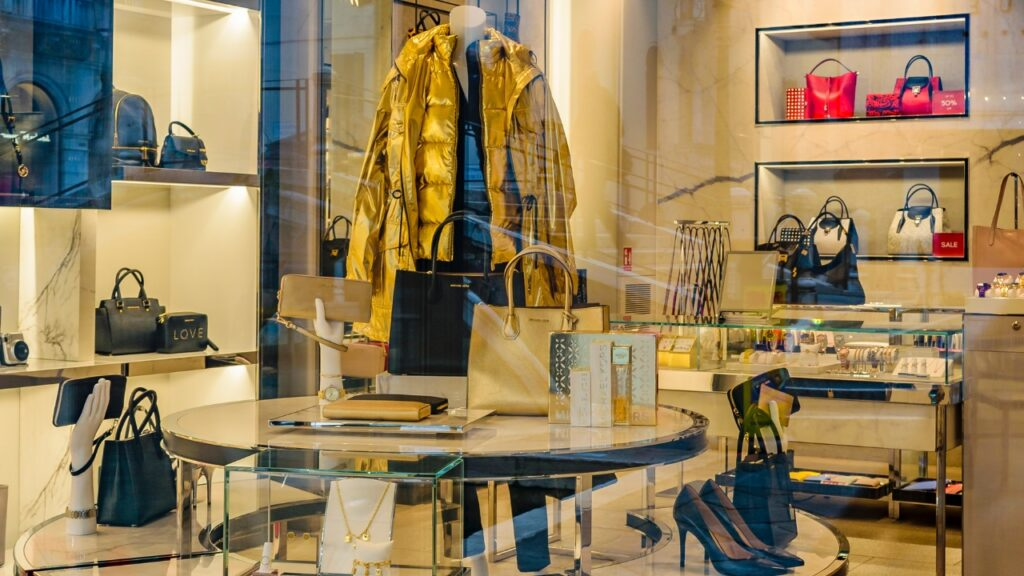
Not long ago, overflowing wardrobes were often seen as a sign of personal style. Fashion retailers encouraged shoppers to buy more, trends changed almost overnight, and clothing became increasingly disposable. Today, the conversation has shifted in a different direction. For a growing number of consumers, owning fewer garments is no longer viewed as a compromise but as a reflection of thoughtful purchasing and lasting quality.
The transformation has happened gradually rather than all at once. Consumers have become more selective, asking questions that rarely entered shopping decisions a decade ago. How long will this jacket last? Can these shoes still be worn five years from now? Is this another impulse purchase or something that will remain useful beyond a single season? Those questions are reshaping wardrobes across different income levels and age groups.
Fashion companies have been quick to notice the changing mood. Collections increasingly emphasize craftsmanship, premium fabrics, timeless silhouettes, and versatility instead of simply promoting the next seasonal trend. Words such as “durable,” “repairable,” and “responsibly made” now appear alongside traditional marketing messages about style and comfort. Even brands once known for rapid product cycles are introducing collections designed to remain relevant far longer than previous releases.
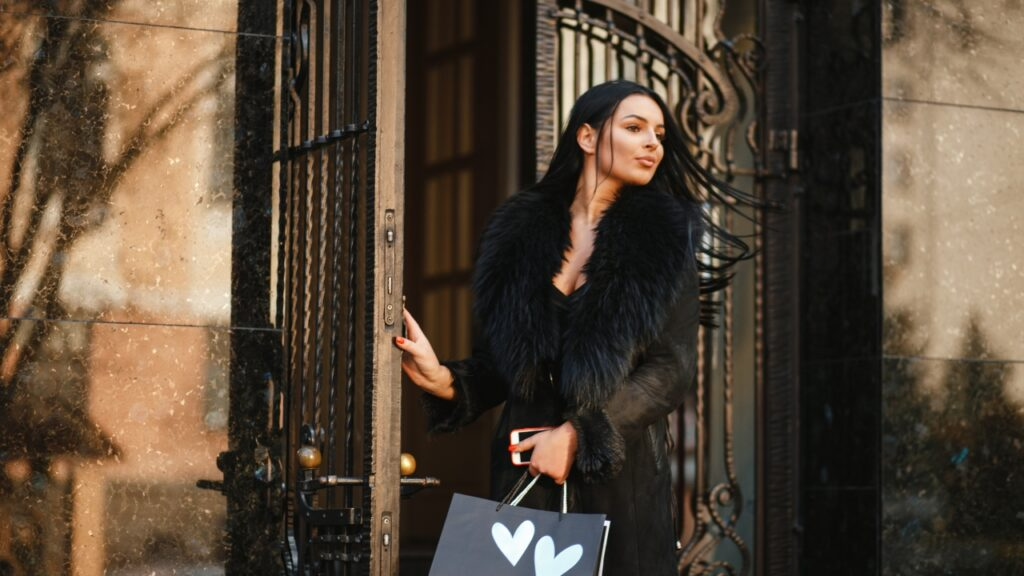
The change reflects more than environmental awareness alone. Rising living costs have encouraged households to think differently about spending, making quality an increasingly important part of the purchasing equation. A well-made coat that lasts for years may require a larger initial investment, but replacing several lower-quality alternatives often proves more expensive over time. Consumers are becoming more willing to calculate value across years instead of weeks.
Social media has also played an unexpected role in redefining modern fashion. While digital platforms once fueled constant trend cycles, they now expose audiences to capsule wardrobes, clothing repair, vintage styling, and secondhand luxury. Fashion creators increasingly showcase outfits built around the same timeless pieces rather than introducing entirely new wardrobes every month. Repeating clothes, once quietly avoided, has become increasingly accepted and, in many circles, appreciated.
This shift has given new momentum to resale markets around the world. Pre-owned clothing has evolved from a budget-friendly alternative into a thriving part of the global fashion industry. Luxury handbags, vintage denim, and carefully preserved tailoring regularly find new owners through online marketplaces that value craftsmanship over novelty. Many shoppers now see resale as another stage in a garment’s life rather than the end of it.
Manufacturers are responding by paying closer attention to how clothing performs over time. Higher-quality stitching, stronger fabrics, replaceable components, and repair services are becoming more common as brands compete on longevity instead of speed alone. Several companies have also expanded take-back programs that encourage customers to return worn garments for recycling or resale. These initiatives reflect changing expectations about what responsible fashion should look like in practice.
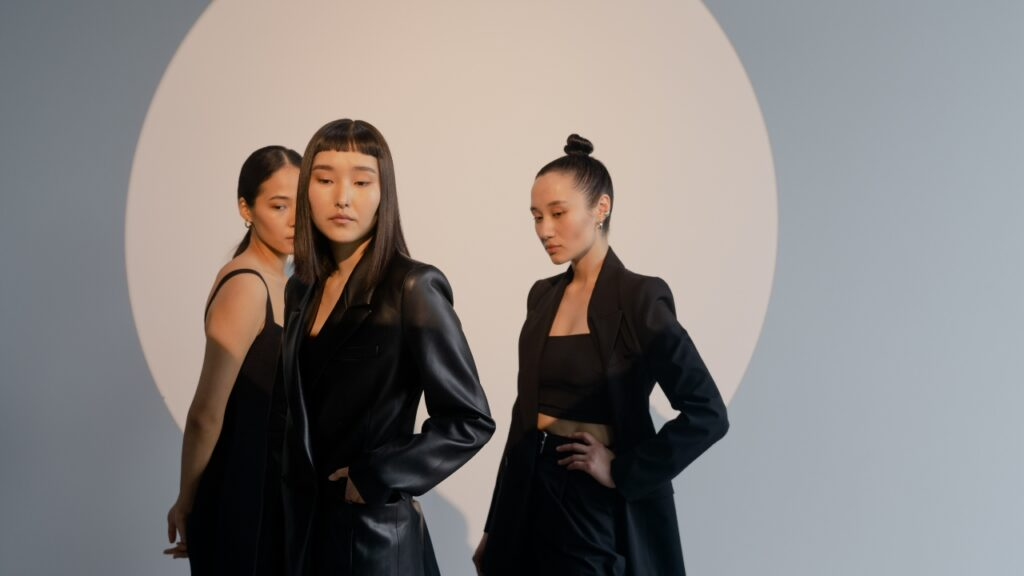
The growing popularity of timeless wardrobes has also influenced design itself. Neutral color palettes, classic tailoring, and adaptable pieces have gained renewed relevance because they remain wearable regardless of changing trends. Rather than building wardrobes around short-lived collections, many consumers now prioritize clothing that transitions easily between work, travel, and everyday life. Flexibility has become as valuable as appearance.
Across the global fashion industry, the definition of value continues to evolve. Purchasing decisions are increasingly shaped by longevity, craftsmanship, transparency, and practicality alongside style itself. As consumers buy fewer garments with greater intention, fashion is gradually moving away from the pursuit of endless consumption toward a model where lasting quality carries its own form of luxury.