
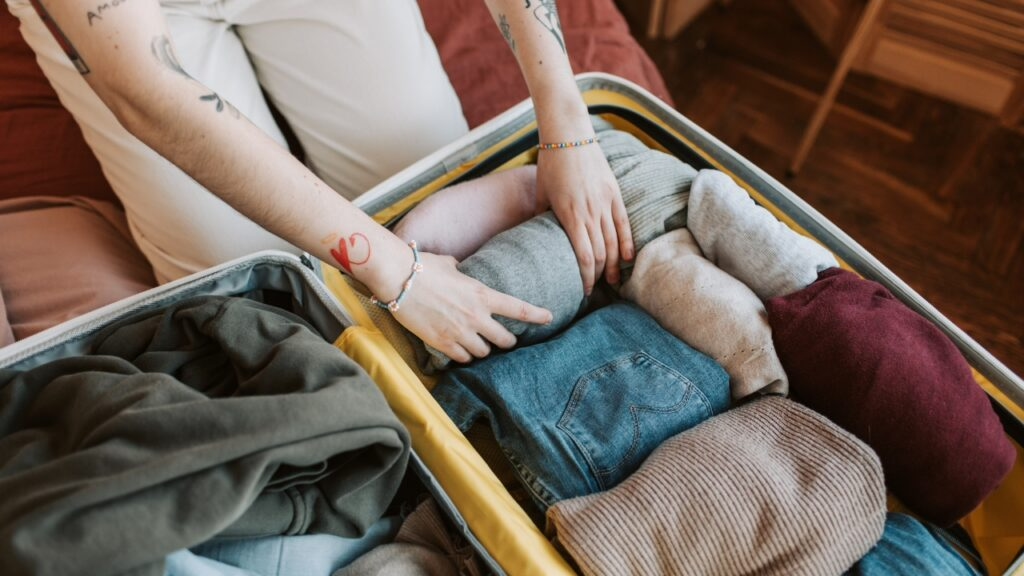
Packing for a trip has become a balancing act between practicality and personal style. Travelers increasingly seek wardrobes that are lightweight, versatile, and appropriate for a variety of destinations without sacrificing comfort or appearance. Airlines continue to tighten baggage restrictions, while the growing popularity of carry-on travel has encouraged people to rethink what they truly need. As a result, building an efficient travel wardrobe has become as much about planning as it is about fashion.
Experienced travelers often begin by considering the purpose of a trip rather than the number of days away. A business conference, a beach holiday, and a city break each require different clothing priorities, making destination and itinerary more important than quantity alone. Weather forecasts, cultural expectations, and planned activities also influence wardrobe decisions before a suitcase is even opened. This preparation helps reduce unnecessary items while ensuring essential pieces are not overlooked.
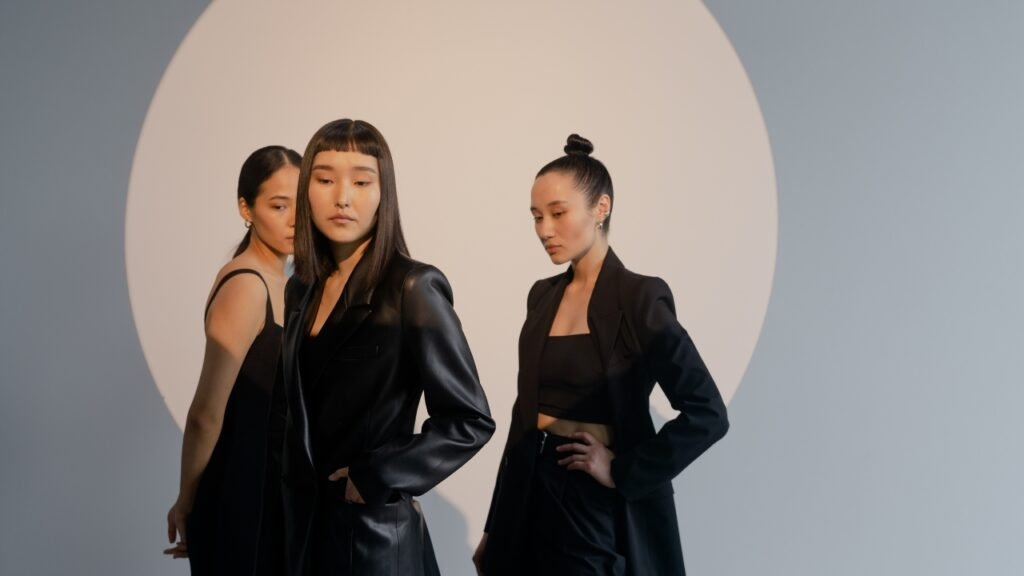
Versatility has become one of the defining characteristics of a successful travel wardrobe. Clothing that can be worn in multiple combinations allows travelers to create several outfits from a relatively small number of garments. Neutral colors such as black, navy, beige, gray, and white remain popular because they pair easily with one another and transition smoothly between casual and formal settings. A single blazer, lightweight jacket, or overshirt can also transform an outfit for different occasions without adding significant weight to luggage.
Fabric selection plays an equally important role in travel fashion. Lightweight materials that resist wrinkles, dry quickly, and remain comfortable across changing temperatures have become increasingly desirable. Performance fabrics originally developed for outdoor activities are now commonly incorporated into everyday travel clothing, offering greater flexibility for long flights, walking tours, and unpredictable weather. Breathable natural fibers also remain popular, particularly for destinations with warmer climates.
Footwear is often the most challenging part of packing because shoes occupy considerable luggage space. Travel specialists frequently recommend selecting pairs that serve multiple purposes instead of packing separate shoes for every activity. Comfortable walking shoes are essential for exploring unfamiliar cities, while one versatile pair suitable for dining or business meetings often eliminates the need for additional options. Choosing footwear based on planned activities rather than outfit coordination helps maximize available space.
Layering has become a preferred strategy for travelers moving between different climates or spending long hours in transit. Lightweight layers allow individuals to adapt quickly to changing temperatures without carrying bulky clothing. Airports, airplanes, hotels, and outdoor destinations often vary significantly in temperature throughout a single day. A flexible layering system provides greater comfort while reducing the need to pack heavy garments that may only be worn occasionally.
The growing popularity of capsule wardrobes has also influenced travel fashion. Instead of building outfits around individual statement pieces, many travelers now select clothing that works together as a coordinated collection. This approach simplifies daily dressing while reducing decision fatigue during busy itineraries. It also creates more efficient use of luggage space by ensuring nearly every item can be paired with several others.
Technology has changed the way people prepare their travel wardrobes as well. Weather forecasting apps, digital packing lists, and destination guides provide detailed information that allows travelers to make more informed clothing choices before departure. Social media and travel content creators have also introduced packing methods that emphasize organization, compression, and efficiency. These resources have encouraged travelers to view packing as part of trip planning rather than a last-minute task.
Travel wardrobes continue to evolve alongside changing travel habits and consumer expectations. As more people prioritize convenience, flexibility, and sustainable consumption, clothing designed for multiple environments has become increasingly valuable. Fashion brands have responded by creating collections that combine durability, comfort, and timeless design, reflecting a broader shift toward thoughtful packing rather than simply packing more.