

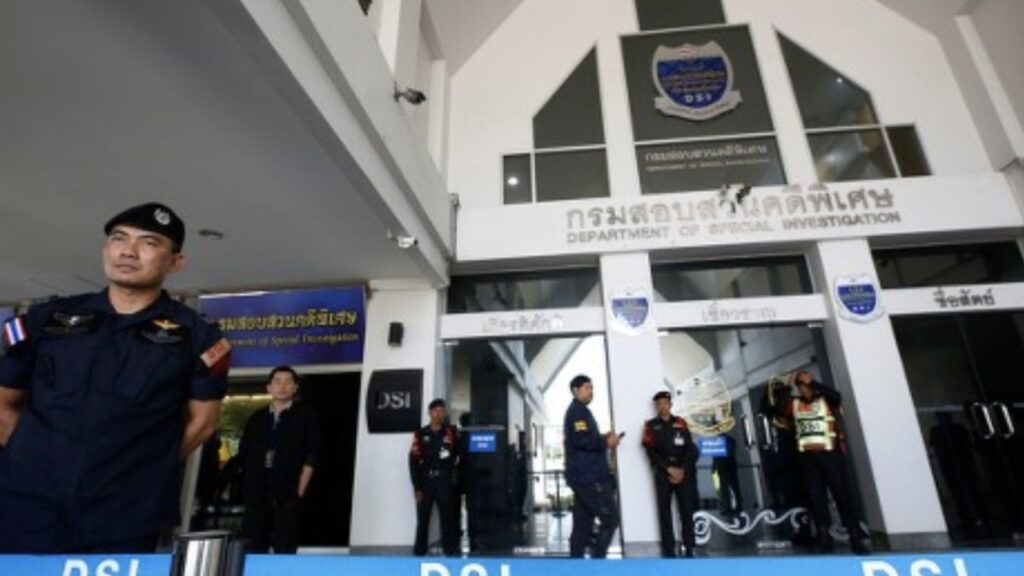
Thai authorities have widened an investigation into an alleged transnational criminal network by issuing arrest warrants for eight additional foreign suspects believed to have played key roles in an operation involving online scams, illegal gambling and cryptocurrency-related money laundering. The suspects include four Chinese nationals and four Myanmar nationals, according to Thailand’s Department of Special Investigation (DSI).
The latest warrants were announced as investigators continued pursuing Chinese businessman Wang Yicheng, who authorities describe as one of the central figures in the case. Officials allege the wider network used illegal cryptocurrency mining operations to conceal criminal proceeds generated through online fraud schemes. Investigators believe the organisation operated across multiple jurisdictions in Southeast Asia.
The DSI said the investigation initially focused on large-scale electricity theft linked to unauthorised cryptocurrency mining facilities. As forensic investigators examined financial records and digital evidence, they uncovered what they described as a sophisticated laundering operation involving cryptocurrency transactions and illicit online businesses. Authorities estimate the illegal mining operation consumed electricity worth approximately US$28 million.
Officials have not publicly released the identities of the eight newly wanted suspects, saying the investigation remains active. However, they confirmed the group is suspected of supporting financial transactions and operational logistics for the wider criminal enterprise. Additional charges could be filed as investigators continue reviewing electronic evidence and financial data.
Thai authorities say the investigation reflects growing concerns over criminal syndicates that increasingly rely on digital assets to disguise the origins of illicit funds. Cryptocurrencies can be transferred rapidly across borders, allowing organised crime groups to complicate financial investigations and move assets between multiple jurisdictions. Law enforcement agencies have expanded the use of blockchain analysis to trace suspicious transactions.
The case forms part of a broader regional campaign against scam compounds operating across parts of Southeast Asia, particularly near the borders of Thailand, Myanmar and Cambodia. According to the United Nations, such operations generate billions of dollars annually while targeting victims worldwide through fraudulent investment schemes, romance scams and fake employment offers. Many compounds are believed to rely on trafficked workers forced to participate in criminal activities.
Authorities in Thailand have increased cooperation with foreign governments in recent months as investigations into organised cybercrime expand beyond national borders. Financial intelligence agencies, police investigators and prosecutors are sharing information with overseas counterparts in an effort to identify suspects, freeze assets and recover criminal proceeds. Officials say international coordination has become increasingly important because many syndicates operate simultaneously in several countries.
Investigators have not disclosed whether any of the eight newly wanted suspects remain in Thailand. Officials believe several members of the network may already have fled abroad, prompting requests for assistance from international law enforcement partners. The DSI has indicated that further arrests and additional warrants remain possible as the investigation continues.